How to Set Realistic Expectations for Body Contouring Farmington Hills
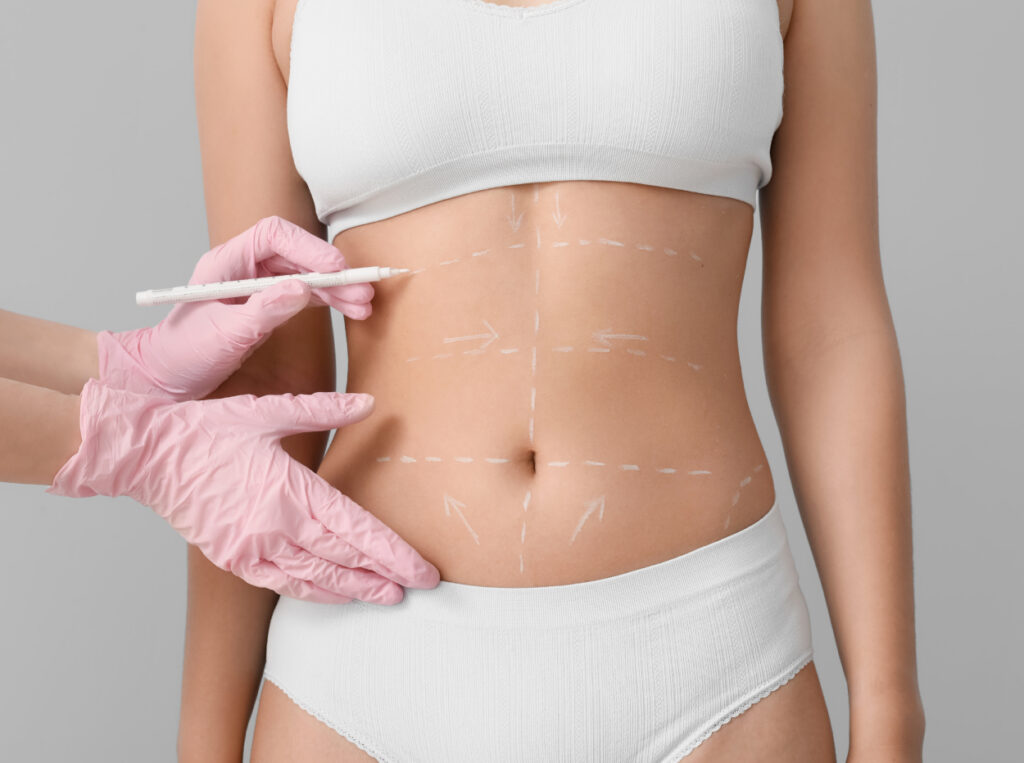


Body contouring appeals to people for a simple reason. They are often doing many things right, eating better, exercising consistently, sleeping more, drinking less, and still seeing areas that do not respond the way they hoped. The waist stays soft. The lower abdomen keeps a small pouch. The bra line holds fullness. The thighs rub. The arms do not match the progress visible elsewhere.
That frustration is real, but so is the confusion around what body contouring can and cannot do.
When patients start exploring Body Contouring Farmington Hills options, the biggest factor shaping their satisfaction is not always the technology, the treatment room, or even the specific provider. It is expectation. People who understand the likely range of results, the time frame, and the trade-offs usually feel far better about the process. People who picture a dramatic transformation after one session often feel disappointed, even when their treatment technically works.
The most useful mindset is this: body contouring is usually about refinement, not reinvention. It can improve shape, reduce a stubborn pocket, and help clothing fit better. It does not replace weight loss, rebuild deep muscle separation, or guarantee the body you had at 25.
That may sound restrained, but it is actually good news. Realistic expectations protect you from overspending, over-treating, and chasing results that no responsible provider should promise.
What body contouring is actually designed to do
Most non-surgical body contouring treatments target one of three goals: reducing localized fat, tightening mild to moderate skin laxity, or improving the appearance of texture and contour irregularities. Some treatments focus on one goal more than the others. A fat-freezing treatment, for example, aims at small areas of stubborn fat. Radiofrequency-based treatments may lean more toward skin tightening. Muscle stimulation devices can create a firmer look in certain areas, though they are not a substitute for overall fitness.
This matters because many people use one phrase, body contouring, to describe very different concerns. One person means lower belly fat after pregnancies. Another means crepey skin above the knees. Another means loose skin after significant weight loss. Those are not the same problem, and they do not respond equally well to the same treatment.
A common office conversation goes something like this: someone points to their abdomen and says they want it flatter. After a closer look, the issue may be a mix of residual fat, some skin looseness, posture, bloating, and perhaps abdominal wall separation. A device can sometimes help one or two of those factors, but almost never all of them. If a provider pretends otherwise, that is a warning sign.
The local reality in Farmington Hills
People considering Body Contouring Farmington Hills services often compare med spas, cosmetic practices, and specialty clinics within a short drive. That convenience is helpful, but it can also create a false sense that every option is interchangeable. It is not.
What you may find in Farmington Hills and nearby communities is a wide spread in how consultations are handled. Some practices are careful and candid. Others market body contouring like a quick beauty service, with polished photos, package pricing, and broad promises. The treatment may be legitimate, but the messaging can make it seem faster, simpler, and more universal than it really is.
A good consultation should slow things down. It should include a review of your weight history, your goals, your timeline, whether your weight is stable, whether you have had pregnancies or abdominal surgery, and what bothers you most in clothes, from the front, and from the side. Those details matter more than the marketing language.
A patient who is five pounds from her comfortable long-term weight and bothered by a small lower belly pad may be a very strong candidate. A patient hoping to lose thirty pounds with contouring is not. Both deserve honesty.
The difference between “I want slimmer” and “I want tighter”
These two goals get mixed together constantly.
If what bothers you is fullness, a pinchable area of stubborn fat, then a fat-reduction approach might make sense. If what bothers you is skin that looks loose when you bend, sit, or twist, reducing volume may not solve the problem and can occasionally make the looseness more obvious. If what bothers you is muscle tone after pregnancy, a skin or fat treatment may not address the core issue at all.
This is one of the most important expectation shifts to make before booking anything. Try to define your complaint in plain language. Not “I hate my stomach,” but something more specific, such as “I like my size overall, but this roll above my waistband has not changed in two years,” or “I am not heavy, but my inner thighs still touch and catch in dresses,” or “My weight is down, but the skin on my upper arms still looks soft.”
Specific complaints lead to more realistic plans.
What results usually look like in real life
People often imagine body contouring results as dramatic before-and-after images with better lighting, different posture, and a tanned midsection. Real-life improvement is usually subtler but still meaningful. You may notice that pants button more easily, a dress lies flatter across the lower abdomen, or a waistline looks more defined in a fitted sweater. Those changes can be satisfying without being dramatic.
That distinction matters. If you expect everyone around you to notice instantly, you may feel let down. If your goal is that your body looks a bit smoother and clothing feels more forgiving, you may be very pleased.
In many non-surgical cases, the visible change is often best measured in percentages rather than absolutes. Think improvement, not disappearance. A stubborn pocket may soften by a noticeable amount, but not vanish completely. Mild skin laxity may tighten some, but not snap back the way skin does in youth. If you start from that understanding, the treatment has a fair chance to exceed expectations rather than miss them.
Timing is where many expectations go wrong
One of the biggest mistakes people make is expecting immediate change. Some treatments work gradually because the body needs time to process disrupted fat cells or remodel collagen. That can take weeks, and in some cases a few months, before the final effect is apparent.
This creates a practical problem for people planning around weddings, reunions, vacations, or holiday photos. If your event is six weeks away, you may be in the middle of the process rather than at the end of it. You might see some improvement, but perhaps not the full result you imagined.
A realistic timeline includes treatment itself, possible swelling or tenderness, the waiting period for results, and the possibility that more than one session is needed. Providers who handle expectations well will discuss this early. If someone speaks as though one appointment next week will completely reshape your body by the following month, be careful.
Weight stability matters more than most people realize
Body contouring tends to work best when your weight is relatively stable. It is not because a perfectly stable number is required, but because fluctuating weight makes results harder to judge and maintain.
Imagine someone receives abdominal contouring, sees a nice reduction in a localized area, then gains ten to fifteen pounds over the next several months. The original treatment may not have failed. It may simply be masked by overall weight gain. The opposite can also happen. Someone who is actively losing weight may attribute all shape changes to the procedure, when part of the improvement comes from lifestyle changes already underway.
The best candidates are often people who have been living in a narrow weight range for at least a few months and feel close to a sustainable baseline. Not a crash-diet baseline, not a temporary “vacation body” number, but a weight they can realistically maintain through ordinary life in Michigan, including winter months when routines often shift.
Why photos can mislead you
Before-and-after photos can be useful, but only if you look at them critically. Lighting, posture, camera angle, clothing, and even hydration can change what you think you are seeing. A slight twist through the torso can make a waist appear more defined. High-rise underwear can smooth one area and compress another. A room with overhead lighting can exaggerate texture in one photo and hide it in the next.
The better question to ask is not “Can I get this exact photo result?” but “Does this practice show results on body types and concerns similar to mine, and are they describing those results honestly?”
If your body shape, age, skin quality, or treatment goals differ significantly from the images you are shown, the photos may not be a reliable guide. A healthy consultation includes a little skepticism. Good providers do not mind that. In fact, they usually respect it.
The trade-off between non-surgical convenience and surgical-level change
This is the part many advertisements gloss over.
Non-surgical body contouring is attractive because it usually involves little downtime, no general anesthesia, and a lower barrier to entry than surgery. Those are substantial benefits. People can often return to work quickly and avoid the longer recovery that comes with more invasive procedures.
But convenience has a trade-off. Results are generally more modest than surgery. If someone has a larger amount of excess skin, significant laxity, or wants a major change in silhouette, non-surgical options may not deliver enough improvement to justify the cost and time.
That does not make non-surgical treatment inferior. It makes it different. For the right person, it is the smarter choice. For the wrong person, it becomes a long sequence of appointments chasing a level of correction that the technology was never likely to provide.
A candid provider may tell you that your best option is to do nothing for now, continue weight stabilization, or seek a surgical opinion if your goals are more dramatic. Hearing “you are not the ideal candidate” can feel disappointing in the moment, but it often saves far more disappointment later.
Questions worth asking at your consultation
If you want realistic expectations, the quality of your questions matters as much as the quality of the answers. These are the kinds of questions that tend to produce useful clarity:
- Based on my actual body, what result range is realistic after one session and after a full treatment plan?
- What part of my concern is fat, what part is skin, and what part may not respond to this treatment?
- When do patients usually start seeing change, and when do results typically plateau?
- If I were your family member, would you say I am a strong candidate, a borderline candidate, or not a good candidate?
- What would make you advise against treating me right now?
Those questions move the conversation away from sales language and toward clinical judgment. They also make it easier to compare providers in Farmington Hills, because you are listening not just for optimism, but for precision.
Budget expectations should include more than the advertised price
A package price can look manageable until you realize it reflects the minimum entry point, not the total likely investment. Body contouring cost depends on the area treated, the device used, the number of sessions recommended, and whether the result you want is truly achievable within that plan.
A realistic budget conversation should include the possibility of maintenance, follow-up sessions, and the fact that some body areas respond better than others. The lower abdomen, flanks, and submental area can behave very differently. So can arms and thighs. Sometimes a provider quotes one price for one area, but the look you want really involves neighboring areas for balance. Treating only the center of the abdomen while leaving flanks untouched may not create the contour improvement you pictured.
This is not necessarily upselling. Sometimes it is simply anatomy. But you should know that distinction before starting.
A practical way to think about value is to ask yourself whether a moderate improvement in one specific concern would feel worth the cost to you. If the answer is only yes when you imagine a near-perfect result, your expectations may still be too high.
Recovery is often easier than surgery, but not always effortless
People hear “non-invasive” or “minimally invasive” and picture zero disruption. That is not always accurate. Depending on the treatment, you may have temporary swelling, soreness, tenderness, numbness, bruising, or a strange tingling sensation as tissues recover. Many patients tolerate this well, but it is still part of the experience.
One patient may return to her desk the same day and feel only mild sensitivity. Another may be surprised by how odd the treated area feels for a week or two. Neither response is necessarily abnormal. The point is that “easy recovery” does not always mean “I will feel absolutely nothing.”
If your schedule is packed, if you have a physically demanding job, or if you are especially sensitive to discomfort, those factors should shape timing and treatment choice.
The role of lifestyle after treatment
Body contouring is not erased by one indulgent weekend, but it is also not immune to the basics of physiology. Results hold up better when your eating patterns, activity level, and weight remain reasonably stable. If you approach treatment as a reset button that frees you from every other habit, expectations will drift out of reality again.
The stronger approach is to use contouring as a finishing tool. People tend to be happiest when they have already built routines they can live with and want help refining a specific area. It pairs well with consistency. It performs poorly as a rescue plan.
This is especially true for patients who have yo-yo dieted for years. The treatment may still help, but the emotional expectation attached to it can become too heavy. It starts representing proof that “this time everything will finally be fixed.” No body procedure should have to carry that much symbolic weight.
Signs your expectations are in a healthy place
You do not need perfect certainty before moving forward. You do need a grounded mindset. In my experience, expectations are usually realistic when a person can say all of the following and mean it:
- I know which exact area I want to improve.
- I understand that improvement may be noticeable but not dramatic.
- I can wait several weeks or months for the final result.
- I am near a stable, sustainable weight.
- I would still consider the treatment worthwhile even if I need more than one session.
If those statements feel hard to accept, it may be worth slowing down before committing.
When to pause and rethink the plan
There are moments when the best decision is to wait. If your weight is changing quickly, if you recently had surgery or childbirth, if your goal is tied to a very close deadline, or if your dissatisfaction is broad rather than area-specific, your timing may be off.
The same goes if you are consulting several practices and hearing sharply different opinions. When one provider says you are an ideal candidate, another says you need multiple areas treated, and a third says the issue is mostly loose skin, that inconsistency is a signal to ask better questions, not to book faster.
Sometimes the most responsible next step is a second consultation after a few months of stable habits. Sometimes it is getting a surgical opinion, even if you hope to avoid surgery. Sometimes it is accepting that no treatment will create the exact body you are imagining from old photos, filtered images, or someone else’s frame.
That acceptance is not defeat. It is clarity, and clarity tends to lead to better outcomes.
What satisfaction usually looks like after a well-chosen treatment
The happiest body contouring patients are not always the ones with the most dramatic results. Often, they are the ones whose expectations lined up with what treatment could reasonably deliver. They notice that a waistband sits better. A tucked-in blouse looks cleaner. Their profile in photos feels closer to how they expected their efforts to show up. The area they fixated on every morning bothers them less.
That is a meaningful result. It may not read https://www.google.com/maps?cid=15618896523686751270 as transformation to strangers, but it can read as relief to the person living in that body every day.
For anyone exploring Body Contouring Farmington Hills options, that is the standard worth aiming for. Not fantasy, not perfection, not a sales-pitch version of confidence. Just a well-informed decision, a realistic plan, and a result that feels proportionate to the time, money, and effort invested.
When you approach body contouring with that perspective, you are much more likely to choose wisely, spend wisely, and walk away feeling that the treatment served you rather than the other way around.
Aesthetic Plastic Surgery & Laser Center, Michelle Hardaway M.D.
Address: 27920 Orchard Lake Rd, Farmington Hills, MI 48334
Phone number: +12482211957
FAQ About Body Contouring Farmington Hills
What does body contouring actually do?
Body contouring (or body sculpting) eliminates stubborn localized fat, tightens loose, sagging skin, and reshapes your silhouette. It is not a weight-loss tool, but rather a cosmetic procedure used to refine and tone specific trouble spots after major weight loss, pregnancy, or aging.
How much does body contouring usually cost?
The total cost of body contouring usually ranges from $2,000 to $25,000+ depending entirely on whether you choose non-surgical sessions or major surgical procedures.
Because "body contouring" covers everything from simple fat-freezing to comprehensive post-weight-loss surgeries, pricing is heavily categorized by the method used.
What is the best type of body contouring?
Liposuction is a huge topic and worth discussing in more detail, but in terms of body contouring and sculpting, nothing does the job better than liposuction, particularly VASER liposuction.