How to Prepare for a Liposuction Farmington Hills Procedure
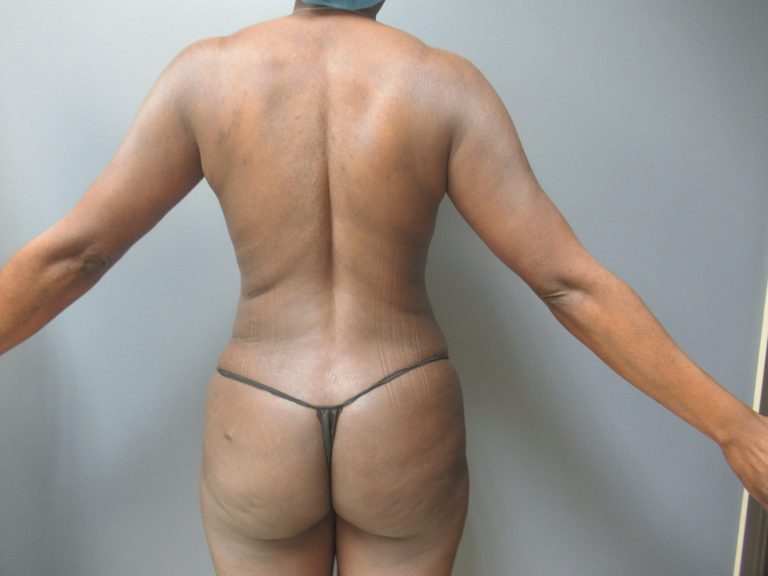
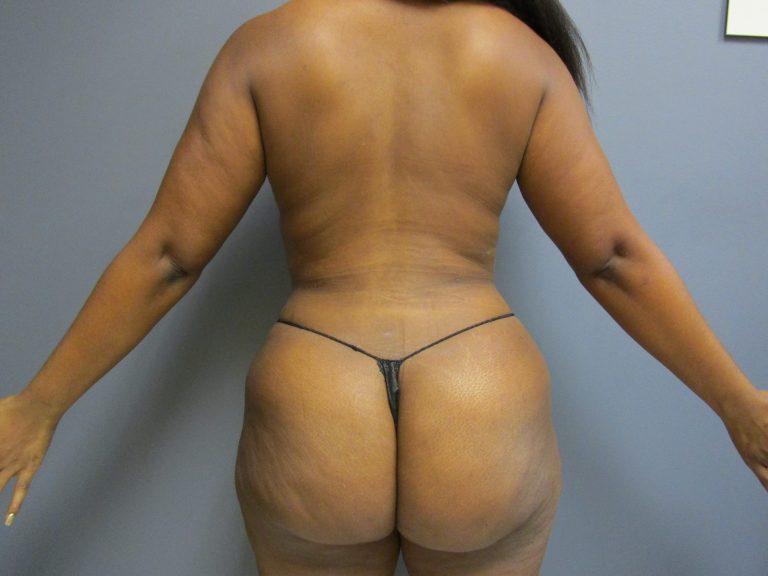
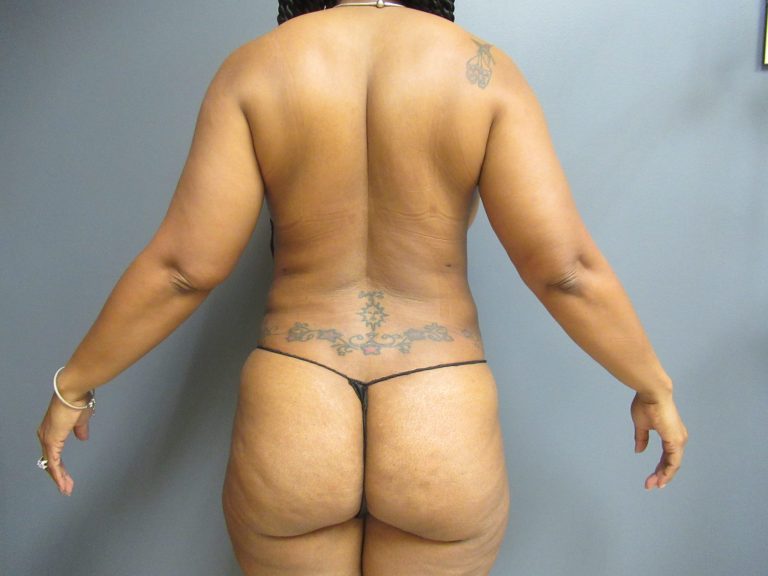
Preparing for liposuction is not just about picking a date and showing up. The patients who tend to have the smoothest recoveries and the fewest surprises are the ones who treat the procedure like any other important medical event. They ask better questions, they plan their homes and schedules in advance, and they understand what liposuction can and cannot do.
That matters because liposuction sits in a space where cosmetic goals and surgical realities meet. People often come in focused on the final contour, the flatter lower abdomen, the cleaner jawline, the slimmer flanks. What they do not always expect is how much the preparation phase influences the result. Swelling, bruising, temporary fluid shifts, soreness, transportation, time off work, compression garments, medication timing, and activity restrictions all become easier to manage when you think through them before surgery day.
If you are considering Liposuction Farmington Hills, it helps to approach the process with equal parts optimism and discipline. The procedure can be very effective for stubborn pockets of fat that do not respond to diet and exercise, but it is not a shortcut around good planning. The better organized you are before the procedure, the easier it becomes to focus on healing afterward.
Start with the right expectations
One of the most useful things you can do before liposuction is recalibrate your expectations into something realistic and specific. Liposuction is a body contouring procedure. It is designed to remove localized fat deposits and improve shape. It is not a treatment for obesity, and it does not tighten skin the way many patients assume it will.
That distinction affects how you prepare mentally. If someone goes into surgery expecting a dramatic scale change, disappointment is likely, even if the contour result is excellent. If someone understands that the goal is a better silhouette in clothing, a more balanced proportion, or improvement in one area that has resisted every gym routine they have tried, the process makes far more sense.
It also helps to know that you will not see the final result right away. Early swelling can make people think nothing has changed, or even that they look larger. This is common. The body needs time to settle. Depending on the treatment area and the extent of the procedure, visible improvement may come in stages over weeks and months. Preparation, in this sense, includes patience.
Choose a surgeon with judgment, not just marketing
A consultation should feel like a medical evaluation, not a sales presentation. That sounds obvious, but plenty of people get distracted by before and after galleries, price promotions, or social media clips that flatten a serious procedure into a lifestyle purchase.
A good surgeon will ask about your goals, your weight stability, your medical history, prior surgeries, and your expectations. Just as important, that surgeon should be willing to tell you when liposuction is not the best tool. For example, someone with significant skin laxity after weight loss may need a different procedure or combination approach. Someone hoping to reshape a large area without understanding the limits of safe fat removal may need a more careful conversation.
When patients search for Liposuction Farmington Hills, they often compare photos first. Photos matter, but they do not tell you how carefully a practice screens candidates, how clearly they explain recovery, or how accessible they are when questions come up afterward. Ask practical questions. How often do they perform liposuction? Which areas do they treat most often? What kind of anesthesia is used? What does follow-up look like? Who do you call after hours if something feels wrong?
The answers tell you a great deal about the culture of the practice.
Your consultation should be more detailed than you expect
A strong consultation usually covers more ground than patients anticipate. Beyond discussing the target area, you should be prepared to talk about medications, supplements, nicotine use, weight changes, past reactions to anesthesia, history of clotting issues, and any chronic conditions like diabetes or high blood pressure.
Bring a full medication list, even if something seems minor. Over the counter pain relievers, herbal supplements, and vitamins can matter. Fish oil, vitamin E, aspirin, ibuprofen, and certain herbal products may increase bleeding risk, depending on your surgeon’s protocol and your health history. Do not stop anything on your own without instructions, but do not assume a supplement is harmless just because it is sold without a prescription.
This is also the time to discuss your daily life honestly. If you are caring for small children, commuting long distances, working a physically demanding job, or living alone, those details affect planning. Many patients underestimate how much help they will want during the first twenty four to forty eight hours. Even highly independent people often appreciate having someone nearby to help with meals, medication timing, or simply getting up and down comfortably.
Good candidates usually have a stable routine already
There is a pattern many experienced surgeons notice. Patients who do best after liposuction are often the ones who already have a reasonably steady routine. Their weight is fairly stable. They have realistic goals. They understand that surgery can refine shape, but long-term maintenance still depends on habits.
This does not mean you need a perfect diet or an elite fitness level. It means drastic last minute changes are usually unhelpful. Crash dieting before surgery can leave you depleted. Aggressive workouts right before the procedure can cause unnecessary soreness or fatigue. What helps most is consistency. Eat regular meals with enough protein, hydrate well, sleep adequately, and keep your body in a calm, predictable state.
If your weight has been fluctuating significantly, talk with your surgeon about timing. Liposuction results generally look best when performed at a weight you can maintain. If you are in the middle of a major weight loss effort, it may be worth waiting until things stabilize.
Smoking, nicotine, and vaping deserve a serious conversation
This is one area where patients sometimes hope for a softer answer than the medical reality allows. Nicotine constricts blood vessels and can impair healing. That includes cigarettes, vaping products, nicotine pouches, patches, and gum. Many people do not realize that the delivery method matters less than the nicotine itself.
If you use nicotine, tell your surgeon early. Do not minimize it. Do not assume “just occasional vaping” is too small to mention. Surgical teams ask because healing, circulation, and tissue recovery matter. Depending on the procedure and your surgeon’s policy, you may be told to stop well in advance and remain nicotine-free during recovery.
This can be frustrating for patients who are otherwise healthy, but it is far better to deal with that frustration before surgery than to face avoidable wound or recovery issues afterward.
Get your medical clearance done early if you need it
Some patients need lab work, a physical exam, or medical clearance from a primary care doctor or specialist before surgery. If you have high blood pressure, diabetes, a heart condition, sleep apnea, or a history of blood clots, start that process early. Waiting until the last week creates needless stress and can delay your procedure.
Even healthy patients benefit from getting logistics handled ahead of time. Fill prescriptions before surgery day if your practice allows it. Ask when to stop eating and drinking. Confirm whether you need antibacterial soap or any special skin prep. Read every instruction sheet more than once. Many last minute problems happen not because patients were careless, but because they skimmed something important.
Plan your recovery space before you need it
One of the most overlooked parts of liposuction preparation is getting your home ready. Recovery feels much easier when the basics are in place. You do not need to turn your bedroom into a medical suite, but you do want the first few days to feel simple.
A smart setup usually includes the following:
- Loose, easy-to-put-on clothing, especially items that do not require bending or twisting.
- Prescribed medications, water, light meals, and snacks ready before surgery day.
- Extra pillows or supports so you can rest in the position your surgeon recommends.
- A clean, accessible bathroom area with supplies within easy reach.
- A responsible adult arranged to drive you home and stay with you if instructed.
That kind of planning reduces friction. After surgery, even routine tasks can feel more cumbersome than expected. Patients often tell me the biggest relief was not something expensive or fancy, it was simply not needing to search for gauze, a phone charger, or a bottle of water while groggy and sore.
Understand compression garments before surgery, not after
Compression garments are a routine part of recovery after many liposuction procedures. Their role is to support the treated area, help manage swelling, and encourage tissues to settle. Different surgeons use different garment protocols, so do not rely on what a friend wore after her procedure or what you read in a generic online forum.
Ask what garment you will need, whether it is provided, how long you are expected to wear it, and how tight it should feel. A common mistake is assuming tighter is always better. It is not. The garment should feel supportive, but not so restrictive that it causes severe discomfort, bunching, numbness, or pressure injury.
If you are buying additional garments, confirm sizing carefully. Swelling changes the fit. The most useful approach is to follow your surgeon’s recommendations rather than guessing based on regular clothing size.
Food, hydration, and medication planning matter more than people think
Most patients focus on the surgery itself, but the days leading up to liposuction often shape how steady they feel during early recovery. Dehydration, skipped meals, poor sleep, and medication confusion create preventable problems.
Aim for regular hydration in the days before the procedure. Not excessive, just steady. Eat balanced meals with enough protein and avoid heavy alcohol use. If your surgeon gives a list of medications or supplements to stop, follow it exactly. If you are prescribed preventive medications such as antibiotics or anti-nausea medicine, know when to start them. Write it down if needed.
It is also worth asking about constipation prevention if you will be taking prescription pain medication. This issue catches people off guard constantly. A patient may feel prepared for swelling and soreness but not for the discomfort of opioid-related constipation. A simple conversation in advance can spare a lot of misery.
Time off work should match the reality of your job
“How long will I be out?” is one of the most common questions, and there is no honest one size fits all answer. The extent of treatment matters. The area treated matters. Your pain tolerance matters. Your job matters a lot.
Someone with a desk job may feel ready to return sooner than someone who lifts, walks constantly, or stands all day. A person having a small area treated may bounce back faster than someone undergoing more extensive contouring. Some people are mentally ready to work before their energy has fully returned. Others are physically capable but do not want to be visible while bruised, swollen, or wearing compression under business clothes.
If possible, give yourself more recovery time than the bare minimum. Patients rarely regret building in a little buffer. They do regret scheduling surgery on a Thursday and assuming they will be fully productive by Monday because they felt “fine” in the consultation room.
The day before surgery should be quiet and organized
The best pre-op day is uneventful. Do not use it for errands you should have handled earlier. Do not stay up late cleaning the house. Do not plan a heavy dinner out because you think it is your “last normal meal” for a while.
Instead, confirm your arrival time, review fasting instructions, shower as directed, set out your clothing, charge your phone, and make sure your driver Liposuction Farmington HIlls knows the schedule. If you wear jewelry or contact lenses, confirm whether either needs to be removed before arrival. Small details become surprisingly stressful when people are rushing in the morning.
Emotionally, it is normal to feel a mix of confidence and nerves the day before surgery. Even people who have wanted the procedure for years can feel suddenly anxious. That does not mean you made the wrong decision. It usually means your brain recognizes that this is real and important. Good preparation helps settle that feeling because it replaces uncertainty with a plan.
What surgery day usually feels like
Most patients arrive focused on one of three things: nervousness about anesthesia, curiosity about pain, or excitement about finally getting the procedure done. The actual day is usually more structured and less dramatic than people imagine.
You will check in, change into surgical attire, review paperwork, and speak with the clinical team. Your surgeon may mark the treatment areas while you are standing. That part is more important than many realize because body contours look different upright than they do lying down. Those markings help guide the procedure.
If you tend to get anxious in medical settings, say so. Good teams hear that every day. There may be simple ways to make the experience easier, from explaining the sequence clearly to minimizing waiting time once preparation begins.
Afterward, expect grogginess and some drainage, depending on the technique used. This is where preparation pays off. If your car ride home, your clothing, your home setup, and your support person are all squared away, you can shift your attention to rest.
Early recovery is easier when you know what is normal
Many patients recover more comfortably when they know what not to panic about. Swelling is normal. Bruising is normal. Soreness and a tight, tender feeling in the treated area are common. Some people describe it as feeling as though they did an intense workout and then got bumped in the same spot repeatedly. That is not elegant, but it is often accurate.
Drainage from small incision sites can also be expected in some cases, particularly early on. Compression garments can feel awkward at first. Energy may dip for a few days. The body has work to do.
What matters is knowing which symptoms deserve prompt contact with your surgeon. Significant shortness of breath, chest pain, a rapidly expanding area of swelling, severe asymmetry that appears suddenly, high fever, or pain that feels dramatically out of proportion should never be brushed off. Your practice should give you clear after-hours contact instructions. Keep them where both you and your caregiver can find them.
Prepare for the emotional side of recovery too
People do not talk about this enough. Cosmetic surgery recovery can be emotionally uneven, even when everything is going well. Swelling distorts the shape before it improves. Bruising can make people feel alarmed or unattractive. Compression garments are not glamorous. Sleeping positions may be inconvenient. If you are used to being active, temporary restrictions can be irritating.
A common pattern goes like this: the patient feels excited, then sore and tired, then impatient, then cautiously encouraged as swelling starts to improve. Knowing that this rhythm is normal can keep you from overreacting to every daily change in the mirror.
If you live with someone, prepare them too. Let them know that you may need practical help and a little patience. Recovery tends to go better when the people around you understand that you are healing, not lounging.
Keep your follow-up appointments, even if you feel fine
Post-operative visits are not a formality. They are part of the procedure. Your surgeon uses these visits to assess healing, monitor swelling, answer questions, and guide you on activity, garments, and scar care. Sometimes patients skip or postpone appointments because they assume no news is good news. That is a mistake.
Subtle concerns are easier to manage when caught early. On the other side of it, reassurance matters too. Many patients benefit from hearing that their swelling pattern is normal or that a firmness they can feel is part of the expected healing process.
If you have had Liposuction Farmington Hills and your practice schedules several follow-ups, view those visits as part of the value of your care, not an inconvenience to work around.
Questions worth asking before you commit
A well-prepared patient is usually a calmer patient. Before your surgery date is finalized, make sure you understand the practical side of what lies ahead.
Here are a few questions that tend to lead to useful conversations:
- What result is realistically achievable for my body type and skin quality?
- How much downtime should I expect based on the areas being treated?
- What medications, supplements, or habits need to change before surgery?
- What will early recovery look like day by day during the first week?
- When should I call the office, and who do I contact after hours?
These questions are straightforward, but they reveal a lot. They help you understand whether the surgeon is attentive, whether the instructions are clear, and whether your expectations match the clinical plan.
Preparation is part of the result
People often think of liposuction as the event and recovery as the aftermath. In practice, preparation is part of the result. Choosing the right surgeon, understanding the goal of the procedure, stabilizing your routine, setting up your home, arranging help, and planning your time off all shape how the experience unfolds.
That is especially true when you are looking into Liposuction Farmington Hills and trying to sort through options. The best decision is rarely the one made fastest. It is the one made with enough clarity that you know why you are doing it, what it can achieve, and how you will support your body through healing.
Approach it that way, and you give yourself a better chance at a recovery that feels controlled, informed, and worth the effort.
Aesthetic Plastic Surgery & Laser Center, Michelle Hardaway M.D.
27920 Orchard Lake Rd
Farmington Hills, MI 48334
(248) 221-1957
FAQ About Liposuction Farmington Hills
What disqualifies you from getting liposuction in Farmington Hills?
A surgeon may recommend postponing or avoiding liposuction if a health condition, medication, or nicotine use raises the risk of surgery or poor healing. A consultation is needed to assess your medical history and whether the procedure fits your goals.
Can liposuction remove 20 pounds?
Liposuction is a body contouring procedure for localized fat. It is not a weight loss treatment, and a specific number of pounds is not a safe or useful target. The surgeon determines how much can be removed safely for each patient.
What are the risks of liposuction?
Risks include infection, changes in sensation, uneven contours, and complications from anesthesia or blood clots. A plastic surgeon can explain which risks apply to you and what to expect during recovery.