How to Plan Your Schedule Around Liposuction Farmington Hills Recovery
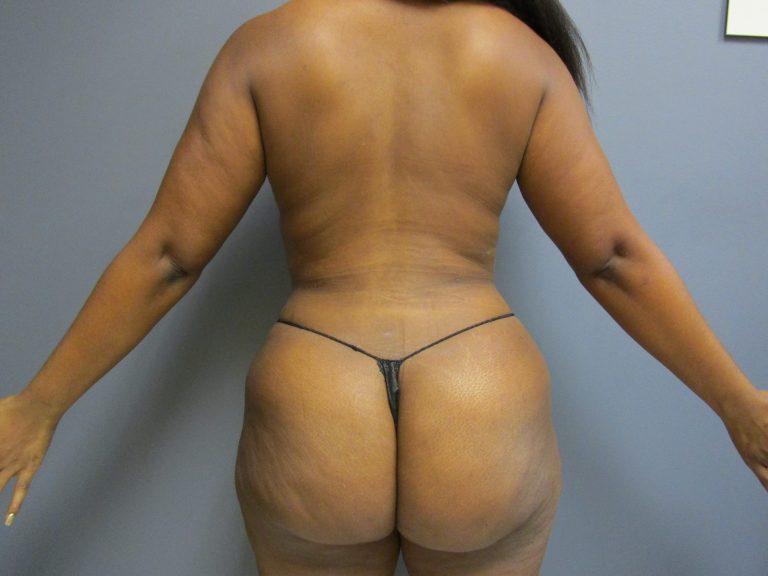
Choosing a date for liposuction is the easy part. What catches many people off guard is everything that comes after it. Recovery is not usually dramatic, but it is specific. You may be sore, swollen, stiff, tired, and slower than usual for longer than you expected. If your calendar is packed with work meetings, childcare runs, social events, travel, workouts, and household responsibilities, even a smooth recovery can feel disruptive.
That is why schedule planning matters almost as much as the procedure itself. When people think through recovery in practical terms, they tend to feel calmer, more prepared, and more satisfied with the process. The goal is not to put your life on hold indefinitely. The goal is to create enough space for healing so you are not trying to power through swelling, compression garments, medication timing, and limited mobility while pretending it is business as usual.
If you are considering Liposuction Farmington Hills patients often ask the same question in different ways: “How much time should I really block off?” The honest answer depends on the treatment areas, the amount of fat removed, the technique your surgeon uses, your pain tolerance, your job demands, and how your body tends to recover from procedures. Still, there are reliable patterns that can help you plan intelligently.
Start with the kind of life you actually live
A realistic recovery plan begins with your normal week, not an idealized one. Someone with a desk job and no children will build a very different schedule than a parent of three who commutes, lifts a toddler, and manages a household. A self employed person with flexible hours has more room to adapt than a nurse, teacher, or retail worker who must be physically present and on their feet.
It helps to think about your days in layers. There is paid work, home labor, transportation, exercise, social obligations, and the quiet but constant physical effort of daily life. Most people underestimate the last category. Getting in and out of bed, climbing stairs, pulling on compression garments, reaching for items, standing long enough to cook, and walking through a parking lot all count. They may not sound strenuous now, but in the first several days after liposuction, they can take more out of you than expected.
I have seen people plan beautifully for “time off work” and overlook the fact that they still need groceries, pet care, rides, laundry, and help with children. Those details are often what determine whether recovery feels manageable or chaotic.
Pick your procedure date with your calendar, not your wish list
There is a strong temptation to choose the earliest possible date once you decide to move forward. That feeling is understandable. But the smartest date is rarely just the first opening on the schedule. It is the date that gives you the best recovery runway.
For many patients, a Thursday or Friday procedure date works well because it allows the first few days of downtime to overlap with a weekend. That said, weekends are not automatically restful if your home is busiest on Saturdays and Sundays. If those are your heavy family days, a midweek date may actually serve you better, especially if you can arrange support.
Think about the next four to six weeks, not just the first two days. Avoid stacking your surgery right before a vacation that involves walking, heat, or swimwear. Avoid major work presentations, weddings where you are in the bridal party, long car trips, holiday hosting, or any stretch where you know you will not be able to rest properly. Liposuction recovery is rarely a reason to hide away for months, but it is also not something to squeeze between back to back commitments.
The best date often sits in a plain, boring patch of the calendar. Boring is good here.
The first 72 hours deserve protected time
Those first few days set the tone. Even if your procedure is outpatient and you return home the same day, your body has still undergone a surgical event. You may feel groggy from anesthesia, sore in the treated areas, and tired in a way that is hard to predict until you are in it. Swelling begins early. So does drainage in some cases, depending on technique and your surgeon’s approach. Small movements can feel awkward. Compression garments can be uncomfortable until you get used to them.
Trying to answer emails, take conference calls, shuttle children around town, or attend social events during this window is usually a mistake. It is not just about pain. It is about bandwidth. Recovery asks for attention. You are tracking hydration, medication schedules, walking intervals, bathroom trips, and instructions from your surgeon. If you also have to think clearly for work or care for others without help, stress rises fast.
If possible, clear the first 72 hours almost completely. That does not mean you will be flat on your back the whole time. In fact, you will likely be encouraged to do light walking. But the rhythm should be simple: rest, get up, walk a bit, hydrate, eat, adjust garments, and rest again.
Build your work plan around your actual job, not a generic timeline
Return to work is one of the biggest variables. People hear that liposuction has a “short recovery” and interpret that as “I can jump back into everything in a few days.” Sometimes that is true for basic desk work. Sometimes it is not, especially if multiple areas were treated or your body takes longer to settle.
A person who works from home on a laptop may be able to do light administrative tasks sooner than someone who stands all day, lifts patients, stocks shelves, demonstrates fitness classes, or drives long hours. Sitting can also be uncomfortable, depending on treatment areas. If the abdomen, flanks, thighs, or lower back were treated, prolonged sitting or twisting may feel more tiring than expected.
A useful way to think about work is in stages rather than one return date. There is the point when you can check messages. Then the point when you can focus for several hours. Then the point when you can manage a full workday without paying for it later in swelling or fatigue. Those are not always the same day.
If you have control over your schedule, consider a gradual return. One practical approach looks like this:
- Reserve the first few days for recovery only.
- Use the next several days for limited, low stakes tasks if you feel ready.
- Resume meetings or client facing work only when you can sit, stand, and concentrate comfortably.
- Delay travel, long commutes, or physically demanding shifts until you have better stamina.
That kind of pacing reduces the common problem of feeling decent one morning, overdoing it, and then spending the next day more swollen and sore.
Do not forget the compression garment factor
Compression garments affect scheduling more than people expect. They need to be worn as directed, and while many patients adjust quickly, they still influence comfort, clothing choices, restroom breaks, sleep, and confidence. If you have to wear compression under office clothing, attend an event in fitted attire, or work in a physically active environment, plan with that reality in mind.
I have heard more than one patient say that the soreness was manageable but the logistics of compression caught them off guard. The garment can feel hot, restrictive, or awkward, especially in the first week or two. Putting it back on after showering can be a project. If you are rushing to get children out the door or trying to make an early train, even simple tasks can become frustrating.
That does not mean your life stops. It means your schedule should have more margin than usual. Give yourself extra time to dress, move, and transition between activities.
Arrange help before you think you need it
A smooth recovery often depends on support that is invisible when it works well. The ride home is obvious. What happens on day two, when you are trying to refill water, prepare food, answer a school email, and remember what time your next medication is due, matters just as much.
Support does not have to mean around the clock care. It can mean someone staying the first night, handling school pickup for three days, walking the dog, bringing dinner, or taking over tasks that require bending, lifting, or long periods on your feet. The point is to preserve your energy for healing.
This is especially important for parents of young children. If a child still needs to be lifted into a car seat, crib, bathtub, or high chair, plan for coverage. Do not assume you will “figure it out.” Even when discomfort is not severe, repeated lifting and twisting can be a poor match for early recovery. The same logic applies if you care for an older parent or anyone with mobility needs.
The best recovery plans are the least heroic ones. They are built around fewer demands, not greater determination.
Think beyond pain and account for swelling
Pain usually gets all the attention, but swelling is often the longer story. Many patients are surprised that they feel functional relatively quickly yet still look and feel puffy, tight, or uneven for weeks. That does not necessarily mean something is wrong. It is part of the healing arc. Still, it can affect what you want to wear, how long you are comfortable standing, and whether you feel up for being out and about.
This matters if you are planning around photos, formalwear, travel, or public events. If you have a wedding in two weeks and hope to feel polished in fitted clothing, that timeline may be too optimistic. If you need to travel for work and sit in airports, meeting rooms, or cars all day, swelling may become more noticeable by evening.
When planning your schedule, separate “able to attend” from “comfortable attending.” Those are different standards. Many people can physically show up somewhere before they truly want to.
Exercise returns in phases, and that affects more than the gym
People who work out regularly often focus on when they can train again, but exercise restrictions also affect mood, sleep, and routine. If your normal stress relief is running, hot yoga, strength training, tennis, or long walks, plan alternatives for the first stretch of recovery. Otherwise, the disruption can feel more frustrating than the soreness itself.
Even patients who are eager to move should respect their surgeon’s guidance. Early overexertion can increase swelling and set you back. In practice, that means your calendar may need a temporary rewrite. Your usual 6 a.m. Boot camp may become a short indoor walk. Your evening gym time may become a shower, a light meal, and an earlier bedtime.
For some people, that shift is surprisingly emotional. Fitness often anchors the day. If that sounds like you, plan your routine in advance rather than waiting to feel restless. Schedule easy walks, podcasts, simple meal prep, and low pressure tasks that make you feel productive without straining your body.
If you work in person, rehearse the practical details
A return to the office or workplace goes more smoothly when you think through the mechanics ahead of time. Consider what your day requires. Are you climbing stairs? Parking far away? Sitting in one position for long stretches? Wearing a uniform? Standing at a register? Lifting boxes? Demonstrating movements? These are not minor details.
I often advise people to do a mental walkthrough of a typical workday before surgery. Picture the commute, the chair, the bathroom access, the dress code, the temperature of the room, and the Liposuction Farmington HIlls pace of interaction. Someone who can work from bed with a laptop has options that a receptionist, dental hygienist, hair stylist, or warehouse employee simply does not.
If you need accommodations, ask early. A temporary remote arrangement, fewer back to back meetings, more frequent breaks, or modified duties can make the difference between a sustainable return and an exhausting one.
Social plans deserve editing too
Most adults are quicker to reschedule medical recovery than social obligations. They feel guilty canceling dinner, a birthday, a weekend away, or a volunteer commitment because these seem optional and manageable. The problem is that social activity can quietly demand more energy than work. Getting ready, driving, sitting Liposuction Farmington HIlls upright, making conversation, wearing real clothes, and staying out longer than you want can leave you wiped out.
If your liposuction date is close to a packed social season, trim the calendar on purpose. Keep events that truly matter and release the rest. A patient once told me she did fine physically after surgery, but what made her miserable was attending two family gatherings in compression garments while everyone expected her to act normal. By the time she got home, she was swollen, irritable, and wondering why she had not simply stayed home.
Healing improves when you let your body be the loudest voice on the schedule for a little while.
A sample planning framework that works for many patients
Every surgeon has specific post operative guidance, and you should follow that first. Still, a broad framework helps people translate recovery into calendar decisions. A common pattern looks something like this:
The day of surgery and the next few days are best kept quiet. You will likely need a ride, a simple home setup, and minimal responsibilities. During the first week, many people can do light tasks but tire easily. During the second week, desk work and routine errands may feel more manageable, though swelling and compression are still very much part of the picture. Over the following weeks, energy generally improves, but body contour, firmness, and comfort continue to evolve.
That is why a single return date often fails. Recovery is more like stepping stones than a finish line.
Plan meals, errands, and household tasks before surgery
This part sounds mundane, but it has a big effect on comfort. If your refrigerator is empty, your laundry is piled up, and every essential errand is overdue, recovery will feel harder than it needs to. You do not need a perfectly organized life before surgery. You do need a decent runway.
A few days before the procedure, make sure the practical basics are covered. Have easy meals on hand. Refill prescriptions that are unrelated to surgery so you are not making extra pharmacy trips. Put frequently used items at waist level so you are not constantly reaching or bending. If you have pets, think through feeding, walks, litter, or lifting. If you live alone, have at least one person who can check in and help if needed.
The patients who do best are often not the toughest. They are the ones who removed friction from the week ahead.
Be conservative if you are traveling into or around Farmington Hills
For people arranging Liposuction Farmington Hills care from nearby communities or farther away, transportation deserves extra thought. The distance home, road conditions, seat comfort, and follow up appointments all affect scheduling. A thirty minute ride feels very different from a two hour one when you are sore and compressed.
If you are traveling for the procedure, build in buffer days rather than trying to leave immediately after surgery or return to normal activity the minute you get home. Follow up care matters. So does the ability to reach your surgeon’s office if you have questions. Even when everything goes smoothly, local logistics can add fatigue, especially in the first week.
Leave room for the unexpected normal
Most people preparing for cosmetic surgery worry about complications, and of course those should be discussed thoroughly with the surgeon. But what derails calendars more often is not an emergency. It is ordinary unpredictability. A child gets sick. A work issue flares up. Sleep is poor for two nights. Swelling lasts longer than hoped. A favorite pair of pants does not fit comfortably over compression. None of this is dramatic, yet it can throw off a tightly packed schedule.
That is why recovery planning works best when it includes slack. Not endless slack, just enough. Enough to move a meeting. Enough to decline an invitation. Enough to spend one more day working from home. Enough to ask for help without feeling that the whole plan has failed.
A recovery schedule should not be built around the minimum possible downtime. It should be built around the most realistic version of you healing well.
The best schedule is the one that protects your results
Liposuction is not only about getting through the procedure. It is about giving your body the chance to settle properly afterward. Rushing back into long days, intense workouts, heavy lifting, travel, and social obligations may not always cause a major problem, but it often makes recovery more uncomfortable than necessary. It can also cloud your experience. People remember the stress of a chaotic recovery long after the soreness fades.
When you choose your surgery date carefully, block enough time, arrange support, and scale your commitments to match the healing process, recovery tends to feel far more manageable. That is true whether you are scheduling Liposuction Farmington Hills treatment for a small contouring area or a broader body shaping plan.
Good planning is not glamorous, but it works. It gives you space to rest, follow instructions, attend follow ups, wear compression consistently, and return to life at a pace your body can handle. For most patients, that is the difference between merely getting through recovery and recovering well.
Aesthetic Plastic Surgery & Laser Center, Michelle Hardaway M.D.
27920 Orchard Lake Rd
Farmington Hills, MI 48334
(248) 221-1957
FAQ About Liposuction Farmington Hills
What disqualifies you from getting liposuction in Farmington Hills?
A surgeon may recommend postponing or avoiding liposuction if a health condition, medication, or nicotine use raises the risk of surgery or poor healing. A consultation is needed to assess your medical history and whether the procedure fits your goals.
Can liposuction remove 20 pounds?
Liposuction is a body contouring procedure for localized fat. It is not a weight loss treatment, and a specific number of pounds is not a safe or useful target. The surgeon determines how much can be removed safely for each patient.
What are the risks of liposuction?
Risks include infection, changes in sensation, uneven contours, and complications from anesthesia or blood clots. A plastic surgeon can explain which risks apply to you and what to expect during recovery.