How to Know When Liposuction Farmington Hills Is a Good Option
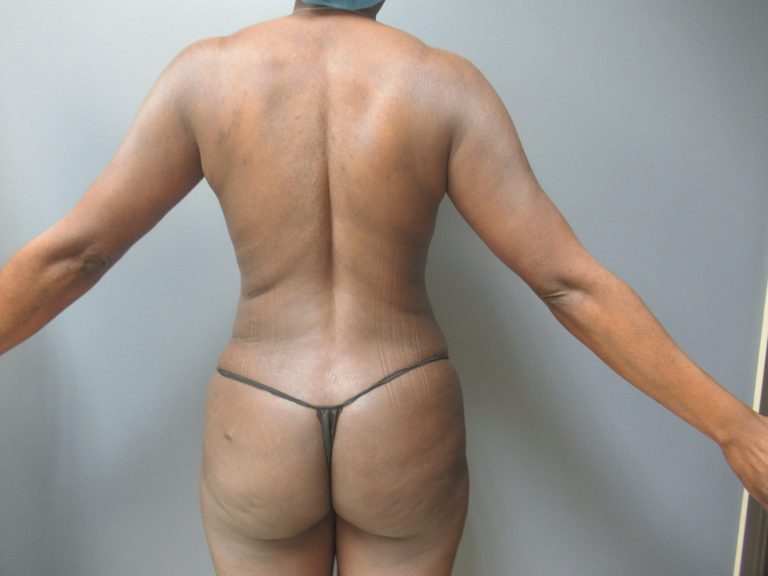
Body contouring is one of the most misunderstood parts of cosmetic surgery. People often arrive at a consultation thinking liposuction is a weight-loss procedure, a shortcut after a difficult year, or a fix for skin laxity that really needs a different approach. Sometimes they are excellent candidates. Sometimes they are close, but not quite there yet. And sometimes the better answer is no surgery at all.
If you are considering Liposuction Farmington Hills, the real question is not whether the procedure works. It can work very well in the right patient. The better question is whether it matches your anatomy, your goals, your timeline, and your willingness to recover properly. When those pieces line up, liposuction can create a noticeable, satisfying change. When they do not, even a technically sound procedure can leave someone disappointed.
The people happiest with liposuction usually share a few traits. They are close to a stable, maintainable weight. They can point to specific areas that have resisted months or years of good habits. They understand that contouring is different from shrinking the number on the scale. They also accept that recovery is real, swelling takes time, and final results do not appear overnight.
What liposuction actually does, and what it does not
Liposuction removes localized fat deposits to improve shape and proportion. That sounds simple, but the distinction matters. It is designed to contour, not to overhaul your metabolism or substitute for meaningful weight management. Good candidates often describe the same frustration in different words: “I can lose weight everywhere except my lower abdomen,” or “My flanks stay full no matter how lean I get,” or “My outer thighs never match the rest of me.”
Those are the kinds of complaints liposuction is built for.
What it does not do is tighten significantly loose skin. If your main issue is skin that hangs after pregnancy or major weight loss, liposuction alone may make the area look deflated rather than smooth. It also will not repair separated abdominal muscles, improve cellulite in a predictable way, or create the physique of someone whose muscle tone and body fat percentage are fundamentally different.
That gap between expectation and reality is where many poor decisions happen. A patient can be healthy, motivated, and serious, but still be wrong for the procedure if the goal itself is mismatched.
The best candidates usually have “pinchable” problem areas
One practical way to think about candidacy is this: liposuction works best on areas with enough fat to remove and good enough skin quality to retract afterward. The common treatment zones are familiar, the abdomen, flanks, thighs, upper arms, back, under the chin, and sometimes the chest in men.
A useful example is the patient who carries a little extra fullness at the waist despite regular exercise. Their weight may be stable within five or ten pounds year to year. Clothes fit reasonably well except for one persistent area that creates bunching, bulging, or a boxier silhouette than they want. In that setting, removing a modest but meaningful amount of fat can sharpen contours without trying to change the whole body.
Contrast that with someone who has recently lost 70 pounds and now has draping skin across the abdomen and flanks. They may still have residual fat, but their primary issue is not volume alone. For them, liposuction without skin removal may not solve the problem they actually see in the mirror.
A stable weight matters more than many people realize
There is no magic number on the scale that determines whether liposuction is appropriate. Body mass index can be part of the discussion, but it is not the whole discussion. What matters more in practice is whether your weight has been relatively stable and whether your current habits are realistic for the long term.
Patients tend to do better when they are already living in the body they plan to maintain. If someone is actively losing weight, starting a new medication that affects appetite, training for an event, or coming off a cycle of frequent gain and loss, it can be smart to wait. Operating in the middle of major body changes can cloud the result and make it harder to judge what liposuction actually accomplished.
A stable weight also improves planning. If you know roughly where your body settles naturally, a surgeon can contour in a way that makes sense for your frame instead of chasing a moving target.
Skin quality can make or break the result
This is one of the least glamorous but most important parts of the conversation. Liposuction removes fat, but the skin has to redrape over the new contour. Younger skin often has more elasticity, though age alone is not the full story. Pregnancy, genetics, weight fluctuations, sun damage, and smoking history all affect how skin behaves.
I have seen two patients with nearly identical abdominal fullness end up with very different outcomes because their skin quality was different. One had firm skin and modest lower belly fat. She looked tighter and flatter as swelling resolved. The other had thinner, looser skin with stretch marks concentrated below the navel. Removing the same style of volume would not have produced the same crisp finish.
That does not mean looser skin automatically rules someone out. It means the plan may need to change. Sometimes conservative liposuction is still worthwhile. Sometimes a tummy tuck, arm lift, or another skin-tightening procedure is the more honest recommendation.
Liposuction is often a good option when these signs are present
- Your weight has been stable for several months, ideally longer.
- You have one or more specific fat pockets that have not responded to diet and exercise.
- Your skin still has decent elasticity in the area being treated.
- You are in good general health and can safely undergo surgery and recovery.
- Your goal is better contour, not dramatic weight loss.
This short checklist is not a substitute for an exam, but it captures the pattern seen in strong candidates.
The emotional side matters, even in a very practical procedure
People sometimes treat liposuction like a purely mechanical decision. Fat in one place, suction removes fat, problem solved. In reality, satisfaction depends heavily on mindset.
Good candidates usually want refinement, not rescue. They are not coming in during a crisis, right after a breakup, or hoping surgery will reset unrelated parts of life. They tend to describe concrete goals, wanting the waist to look cleaner in fitted clothing, hoping the chin profile photographs better, wanting the outer thighs to look more proportional. Those are grounded goals.
A warning sign is when someone cannot define what bothers them except in broad, emotionally loaded terms such as “I just want a whole new body” or “I need this to finally feel confident in everything.” Surgery can help confidence, but it does not erase insecurity at the source. Patients with realistic expectations generally navigate the recovery period better too, because they do not panic when swelling briefly makes them look larger before they look smaller.
Why “close enough” is not always close enough
Many people are almost candidates. That sounds encouraging, but “almost” can still mean “not yet.”
A common example is the patient who has the right type of fat distribution but is twenty or thirty pounds above the weight they feel they can realistically maintain. In that case, liposuction may remove some fullness, but the result can be blunted by future weight changes. Another example is the patient whose body contour concern is real, but who also has untreated high blood pressure, poorly controlled diabetes, or nicotine use that raises surgical risk and affects healing.
Sometimes the right recommendation is to pause, improve a few variables, and revisit the conversation in three to six months. That is not a brush-off. It is often the difference between an average outcome and a strong one.
The consultation should feel specific, not sales-driven
When people look into Liposuction Farmington Hills, they often compare websites, before-and-after photos, and advertised technology. Those things have a place, but the quality of the consultation usually tells you more.
A useful consultation gets very specific. The surgeon should examine the actual area, assess skin tone and fat thickness, review your medical history, and explain not just what can be improved, but also what cannot. If your lower abdomen has both fat and muscle laxity, that distinction should be spelled out. If your arm contour issue is more about skin than fat, you should hear that clearly.
Be wary of consultations that feel too broad or too easy. “You are a great candidate for everything” is rarely a sign of careful judgment. The best conversations often include limits. Maybe your flanks will respond very well but your lower belly may retain some softness. Maybe your neck contour can improve, but only if your skin elasticity cooperates. Honest nuance is a good sign.
Recovery is part of the decision, not an afterthought
One of the clearest signs that liposuction is a good option is when someone fully understands the recovery and still feels comfortable moving forward. Even smaller procedures involve downtime, soreness, swelling, bruising, and compression garments. Depending on the area treated and the physical demands of your job, returning to normal routines may take days to a couple of weeks for lighter activity, while final contour refinement can take much longer.
Swelling deserves special mention because it tests patience. People often expect a quick reveal. What they get first is an in-between stage. The area can feel firm, uneven, numb, or puffy while healing progresses. That does not automatically mean something is wrong. It is simply part of the process. Final results often continue improving over several months, and subtle changes can keep happening beyond that.
If your schedule allows no flexibility, if you cannot realistically wear compression as directed, or if you know you struggle to follow postoperative restrictions, liposuction may not be a good choice right now. Recovery compliance affects outcome.
Some areas are better targets than others
Not all treatment zones behave the same way. The flanks and upper abdomen often show satisfying contour changes when selected carefully. The submental area under the chin can also improve nicely in the right patient, especially when the issue is excess fat rather than severe skin laxity. Outer thighs can create a more balanced silhouette, but overaggressive treatment there can look unnatural. The arms can respond well if there is enough elasticity, but they can also expose laxity if that factor is underestimated.
This is one reason experienced judgment matters. The same volume of fat removed from two different areas does not produce the same visual effect. A modest reduction at the waist can noticeably change clothing fit. The same amount taken from a broader zone may register as much less dramatic.
Safety and health history are not small details
A responsible candidacy discussion always includes your broader health picture. Liposuction is commonly performed, but “common” does not mean casual. Prior surgeries, bleeding history, medications, blood clot risk, smoking or vaping, hormone use, and underlying medical conditions all matter.
Even supplements can become relevant. Some increase bleeding risk, others affect blood pressure or interact with anesthesia. That is why a careful preoperative review feels detailed. It should.
If you smoke or use nicotine, many surgeons will require you to stop well before surgery. This can frustrate patients, especially if they feel otherwise healthy, but nicotine can impair blood flow and healing. The same goes for uncontrolled medical issues. Candidacy is not only about aesthetics. It is also about minimizing preventable risk.
It may not be the best answer if your main concern is loose skin, cellulite, or muscle separation
This point deserves blunt wording because it saves people from choosing the wrong procedure. If your biggest complaint is hanging skin, liposuction alone is often not the right answer. If your stomach protrudes mainly because of separated abdominal muscles after pregnancy, liposuction will not repair that. If your thighs have cellulite dimpling, you may see little improvement or even more visible irregularity if expectations are unrealistic.
That does not mean there are no options. It means the option may be different. Body contouring often works best when the treatment plan matches the dominant problem. Excess fat needs one strategy. Excess skin needs another. Structural issues need their own solution.
Questions worth answering before you commit
- What exactly is bothering me, fat, skin, muscle laxity, or a mix?
- If I stayed at my current weight for the next two years, would I still want this procedure?
- Can I take recovery seriously, including time off, compression, and follow-up visits?
- Am I expecting contour improvement, or am I quietly hoping for life-changing weight loss?
- Has my surgeon clearly explained both the likely benefit and the realistic limit?
If you can answer those questions plainly, you are usually much closer to a sound decision.
Cost should be weighed, but not in isolation
People often ask whether liposuction is “worth it,” and the honest answer depends on value, not just price. Costs vary based on treatment area, surgical setting, anesthesia, and whether multiple zones are addressed together. A smaller under-chin case is not the same as comprehensive abdominal and flank contouring. Revision surgery, if ever needed, can also change the financial picture.
The mistake is to compare price tags without comparing plans. A cheaper quote for a poorly chosen procedure is not a bargain. A higher quote from a thoughtful surgeon who recommends less treatment, or even recommends waiting, may actually reflect better judgment.
If you are exploring Liposuction Farmington Hills, evaluate the total picture. Look at how carefully your case is being assessed. Ask what the recovery will realistically involve. Review before-and-after examples that resemble your body type rather than Liposuction Farmington HIlls the most dramatic transformations on a website.
The timing should fit your life, not just your calendar
There is such a thing as good timing for body contouring. People do better when they schedule surgery during a period when they can protect healing instead of negotiating with it. A quieter work stretch, help at home if needed, fewer travel commitments, and no immediate pressure to look “finished” by a specific event all make the experience easier.
I have seen patients rush to schedule before a wedding, reunion, or beach trip, only to spend the recovery period scrutinizing every bruise and fluctuation. That tends to create unnecessary anxiety. If the procedure is right for you, it is still worth doing when the calendar is calmer and the pressure is lower.
When the answer is yes
Liposuction is often a strong option when the issue is specific, the expectations are grounded, and the anatomy supports a clean result. The best candidates are not looking for magic. They are looking for refinement that diet and exercise have not delivered, despite real effort. They understand the trade-off, surgery and recovery in exchange for more balanced contour.
If that sounds like you, a consultation may be worthwhile. If your concern turns out to be more about skin, muscle, or broader weight goals, that clarity is valuable too. Good cosmetic planning is not about forcing a procedure to fit. It is about matching the treatment to the body in front of you.
That is the real way to know whether liposuction is a good option. Not because the procedure is popular, not because someone else loved their result, but because your goals, your tissue, your health, and your expectations all point in the same direction.
Aesthetic Plastic Surgery & Laser Center, Michelle Hardaway M.D.
27920 Orchard Lake Rd
Farmington Hills, MI 48334
(248) 221-1957
FAQ About Liposuction Farmington Hills
What disqualifies you from getting liposuction in Farmington Hills?
A surgeon may recommend postponing or avoiding liposuction if a health condition, medication, or nicotine use raises the risk of surgery or poor healing. A consultation is needed to assess your medical history and whether the procedure fits your goals.
Can liposuction remove 20 pounds?
Liposuction is a body contouring procedure for localized fat. It is not a weight loss treatment, and a specific number of pounds is not a safe or useful target. The surgeon determines how much can be removed safely for each patient.
What are the risks of liposuction?
Risks include infection, changes in sensation, uneven contours, and complications from anesthesia or blood clots. A plastic surgeon can explain which risks apply to you and what to expect during recovery.