How to Compare Liposuction Michigan Providers with Confidence


Choosing a surgeon for liposuction is not like choosing a med spa, a gym, or even a primary care office. The decision sits at the intersection of aesthetics, surgery, safety, and expectation management. People often begin with photos and pricing, which is understandable, but those are only the visible parts of a much larger picture. If you are trying to compare Liposuction Michigan providers, the most useful approach is to slow down and evaluate what actually predicts a safe experience and a result you can live with comfortably.
That matters in a state as geographically and economically varied as Michigan. A patient comparing practices in Detroit, Ann Arbor, Grand Rapids, Troy, Novi, Lansing, or Traverse City may notice major differences in pricing, consultation style, operating facilities, and aftercare structure. Those differences are not automatically red flags. Some reflect overhead, surgeon demand, or patient volume. Others reflect something more important, which is how seriously a practice takes surgical planning and patient safety.
The strongest comparisons are rarely made on one factor alone. A lower quote can become expensive if revision surgery is needed. A beautiful social media feed can hide inconsistent results. A charming consultation can still leave out critical information. Confidence comes from knowing what to ask, what to verify, and how to interpret what you hear.
Start with the surgeon, not the brand
Many cosmetic practices market themselves aggressively, and some do it very well. The office may look polished. The website may be full of polished before and after galleries. Staff may respond quickly and warmly. All of that can be positive, but none of it tells you enough about who is actually performing the procedure and how often they perform it.
When comparing providers, begin by identifying the surgeon’s training and certification. In practical terms, patients often feel most comfortable with a plastic surgeon certified by the American Board of Plastic Surgery. That certification does not guarantee perfect outcomes, but it does indicate a defined training path and a recognized standard. It is one of the clearest pieces of information you can verify independently.
Experience also needs context. A surgeon may have been in practice for twenty years, but how much of their current work is body contouring? Liposuction techniques, patient selection, and postoperative protocols evolve over time. Someone who performs liposuction regularly, including abdomen, flanks, thighs, arms, submental area, or combination contouring, will usually be better equipped to discuss realistic outcomes and common challenges than someone who offers it more occasionally.
There is another nuance patients often miss. Liposuction is not one single procedure. The technical approach may vary depending on the treatment area, the amount of fat being removed, skin quality, and whether additional procedures are being paired with it. A surgeon with strong experience in body contouring can explain why one area responds predictably while another may need a more conservative approach. That level of specificity is a good sign.
Understand what liposuction can and cannot fix
A consultation becomes much more useful when you know what the procedure is designed to do. Liposuction removes localized fat. It is not a weight-loss operation, and it does not tighten skin in the same way a tummy tuck or body lift can. That may sound obvious, yet a surprising number of patient disappointments trace back to a mismatch between the procedure and the problem.
Someone with good skin elasticity and stubborn fullness around the abdomen or flanks may be a strong candidate for liposuction alone. Someone with loose abdominal skin after pregnancy or significant weight loss may need a different operation, or a combination plan, to achieve the contour they actually want. A trustworthy provider will say that clearly, even if it means recommending a more involved procedure or telling you that liposuction alone will not deliver the result shown in your inspiration photos.
When comparing Liposuction Michigan practices, notice which surgeons speak plainly about these limitations. If every concern seems to have an easy surgical answer, caution is warranted. Good surgeons are often very direct about trade-offs. They discuss contour improvement, not perfection. They point out asymmetries you may already have. They explain that compression, swelling, fibrosis, and healing timelines can influence the final appearance for months.
That honesty is not a sales obstacle. It is one of the strongest indicators that the provider is grounded in real surgical outcomes.
Compare the consultation itself
The consultation is not just a chance for the practice to evaluate you. It is your best opportunity to evaluate them. Two providers may recommend similar treatment areas and use similar terminology, yet leave you with very different levels of clarity.
A strong consultation usually feels unhurried, organized, and specific. The surgeon examines the areas of concern, reviews your health history, asks about weight stability, and talks through what contour changes are realistic. They should also discuss scars if additional procedures are relevant, expected downtime, compression garments, fluid retention, and when you can return to work, exercise, or travel.
Watch for how the conversation handles uncertainty. Surgical planning always includes variables. The best consultations do not pretend otherwise. If the surgeon explains where results are predictable and where they are less precise, that is usually a mark of experience rather than hesitation.
It can help to bring a written set of questions so you can compare answers more cleanly from one office to the next. Focus on the points that affect safety, planning, and postoperative support:
- Who performs the entire procedure, including marking and fat removal?
- Where will the surgery take place, and is the facility accredited?
- What type of anesthesia is planned, and who administers it?
- How often does the surgeon perform liposuction on my target areas?
- What happens if I have concerns after hours or need follow-up sooner than expected?
That short list alone can reveal a great deal. Some patients are surprised to learn how much varies between offices once those questions are asked directly.
Look closely at the operating facility and anesthesia plan
Patients often focus so heavily on the surgeon that they overlook the environment where surgery actually occurs. That is a mistake. Facility standards and anesthesia support are central to safety.
Liposuction may be done in an accredited office-based surgical suite, an ambulatory surgery center, or a hospital setting, depending on the case complexity, volume, health history, and surgeon preference. The right setting is not one-size-fits-all. What matters is that the facility meets recognized standards and that the anesthesia plan fits the procedure and the patient.
Ask whether the surgical facility is accredited and by whom. Ask whether a board-certified anesthesiologist or certified registered nurse anesthetist will be present if deeper anesthesia is used. Ask how the practice handles emergencies, postoperative nausea, pain control, and discharge criteria. These are not awkward questions. Any reputable surgical office should be comfortable answering them.
There is also practical value in understanding surgical volume. Very large-volume liposuction may carry different fluid management and recovery considerations than small-area contouring. If a surgeon does not explain why your specific treatment plan is appropriate for an office-based setting, keep asking until you understand.
Before and after photos can help, but only if you read them properly
Most patients rely heavily on photos, and they should, within reason. Images reveal a surgeon’s aesthetic judgment in a way words cannot. But photos need interpretation. The goal is not to find the single most dramatic transformation. The goal is to identify consistency across patients with a body type, skin quality, and treatment area similar to yours.
Pay attention to whether the photos show multiple angles, neutral posture, and consistent lighting. If only one angle is shown, or if the after images use noticeably better posture, tan, lighting, or compression garments, the comparison becomes less useful. Also notice whether the surgeon’s results tend toward subtle contour refinement or aggressive debulking. Neither style is universally better. The best choice depends on your anatomy and preferences, but you want the provider’s aesthetic to align with yours.
There is another detail worth noting. Surgeons with mature practices often have before and after images that include straightforward cases, difficult cases, and patients with imperfections that remain after surgery. That can be more reassuring than a gallery made up only of near-perfect transformations. Real surgery produces improvement, not digital symmetry.
Pricing matters, but the cheapest quote is rarely the smartest shortcut
Liposuction pricing in Michigan can vary widely based on the number of areas treated, surgeon reputation, facility fees, anesthesia, and whether the procedure is performed alone or alongside another operation. Patients naturally compare quotes, and they should. They just need to compare the right things.
A quote that looks lower at first may not include compression garments, postoperative visits, or facility costs. Another practice may package more of those expenses upfront. Some offices quote by area, while others price according to operative time and complexity. The only fair comparison is a line-by-line one.
It is also important to understand what is being proposed. One surgeon may recommend treating only the abdomen and flanks. Another may suggest adding upper abdomen, lower back, or bra roll areas for smoother contour transitions. The second quote may be higher because the plan is more complete, not because the office is overcharging.
Here is a practical way to compare costs without oversimplifying:
| Cost factor | Why it matters | | --- | --- | | Surgeon’s fee | Reflects expertise, demand, and case complexity | | Facility fee | Varies by setting, equipment, and length of surgery | | Anesthesia fee | Depends on provider type and duration | | Garments and supplies | Needed for recovery and often excluded from base quotes | | Follow-up or revision policy | Clarifies what support is included after surgery |
If the office hesitates to explain the estimate clearly, that is useful information. Financial transparency does not mean low cost. It means you understand what you are paying for and why.
Pay attention to how the practice handles candidacy
A dependable provider does not try Liposuction Michigan to fit every patient into surgery. They screen for candidacy carefully. That includes medical history, smoking status, medications, prior surgeries, clotting risk, body mass trends, and expectations.
Weight stability is a particularly important point. Liposuction results generally hold best when a patient is close to a sustainable baseline. If weight is fluctuating significantly, or if someone plans major weight loss afterward, the timing may not be ideal. A thoughtful surgeon will say so. The same goes for patients whose main concern is loose skin rather than localized fat.
This can feel disappointing during a consultation, but it is often where the most trustworthy practices distinguish themselves. Saying no, or not yet, is part of ethical screening. In my experience, patients who receive that kind of honesty early tend to avoid much more expensive frustration later.
Recovery support tells you a lot about the office culture
Surgery lasts hours. Recovery lasts weeks to months. The quality of postoperative support can strongly shape your overall experience.
Ask what follow-up schedule the office uses and who you contact with concerns after business hours. Find out whether you will see the surgeon at postoperative visits or mostly nursing staff. Neither model is inherently wrong, but you should know what to expect. Ask about swelling, numbness, firmness, drainage, compression duration, scar care if relevant, and what symptoms would prompt an urgent call.
Some of the most satisfied patients are not the ones with the easiest surgeries. They are the ones who felt well prepared for the normal ups and downs of healing. Bruising that lasts longer than expected, a firm area that softens slowly, or swelling that fluctuates can be very distressing if no one warned you. The same physical recovery can feel manageable when the office has explained it well and remains accessible.
This is where reviews can be useful, though they should be read carefully. Look for comments about communication, scheduling, billing clarity, bedside manner, and postoperative responsiveness. Reviews focused only on how nice the lobby looked or how quickly someone got a callback tell you less than detailed accounts of the recovery process.
Reviews and referrals are helpful, but they need context
Word of mouth still matters. If a trusted friend had a good experience with a Michigan liposuction provider, that is a valuable data point. So are referrals from physicians who know the local surgical community. But referrals alone should not close the case.
One patient may value warmth and reassurance above all else. Another may prefer blunt technical precision. One body type may respond beautifully to a surgeon’s approach, while another may require different judgment. Use referrals and reviews to generate a shortlist, not to make the final decision for you.
Online reputation can also be skewed by factors that have little to do with surgical quality. Some excellent surgeons are less aggressive with review collection. Some busy practices receive occasional low ratings because of front desk friction rather than clinical issues. Patterns matter more than isolated complaints. Repeated reports of poor communication, billing surprises, rushed visits, or weak follow-up deserve attention.
Michigan-specific considerations people often overlook
When patients search for Liposuction Michigan options, they often focus only on distance from home. Convenience matters, but there are several state-specific realities worth considering.
Weather affects recovery logistics more than many expect. Winter travel after surgery can be uncomfortable, especially if roads are icy and you are wearing compression garments, managing drainage, or attending early follow-up visits. If your procedure is scheduled during colder months, ask yourself whether the drive is realistic, particularly if the practice is two or three hours away.
Michigan also has strong regional variation in provider density. Metro Detroit and Ann Arbor tend to offer more concentration of cosmetic surgeons, which can mean more options and more pricing spread. In less densely populated areas, patients may travel farther for a surgeon whose body contouring work better matches their goals. That extra travel can be worthwhile, but only if the practice has a clear plan for postoperative care and urgent questions.
Local support matters too. If you live alone, have young children, or need help getting to visits, the nearest reputable option may be more practical than the most famous one. A technically excellent surgeon is still the wrong choice if the recovery setup around the procedure is weak.
Red flags deserve plain language
Most cosmetic consultations are pleasant. That makes it easier to dismiss uneasy feelings. Try not to.
Be cautious if a provider guarantees results, brushes past risks, dismisses your questions, or pressures you to book immediately with a time-sensitive discount. Be cautious if the treatment recommendation changes dramatically depending on what you say about your budget. Be cautious if staff avoid naming who will perform key parts of the procedure or seem vague about where surgery occurs.
Another red flag is aesthetic overpromising. If your skin quality, muscle laxity, or anatomy suggest limitations, and the surgeon never mentions them, that is not optimism. It is poor counseling.
A good rule is simple. If the consultation leaves you more dazzled than informed, you probably need another opinion.
Confidence usually comes from comparison, not urgency
Patients sometimes worry that seeing multiple surgeons will appear disloyal or indecisive. It will not. In cosmetic surgery, comparison is sensible. Even if you think you already know whom you want, a second consultation often sharpens your judgment. You may hear the same recommendation twice, which increases confidence. Or you may hear two very different plans, which tells you more questions need to be asked.
The point is not to create endless analysis. The point is to make a well-supported choice. Once you have compared board certification, procedural experience, consultation quality, facility standards, anesthesia planning, before and after consistency, pricing clarity, and postoperative support, the decision often becomes much easier.
There is usually a moment when one provider stands out, not because they said the most flattering things, but because their plan made the most sense. Their recommendations fit your anatomy. Their photos looked honest. Their office answered practical questions clearly. Their quote was understandable. Their approach felt careful rather than hurried. That is what confidence tends to look like in real life.
Choosing among Liposuction Michigan providers does not require insider access or medical training. It requires patience, specific questions, and a willingness to look past marketing. When you compare surgeons on substance instead of surface, you give yourself a much better chance of a safe procedure, a smoother recovery, and a result that feels worth the investment.
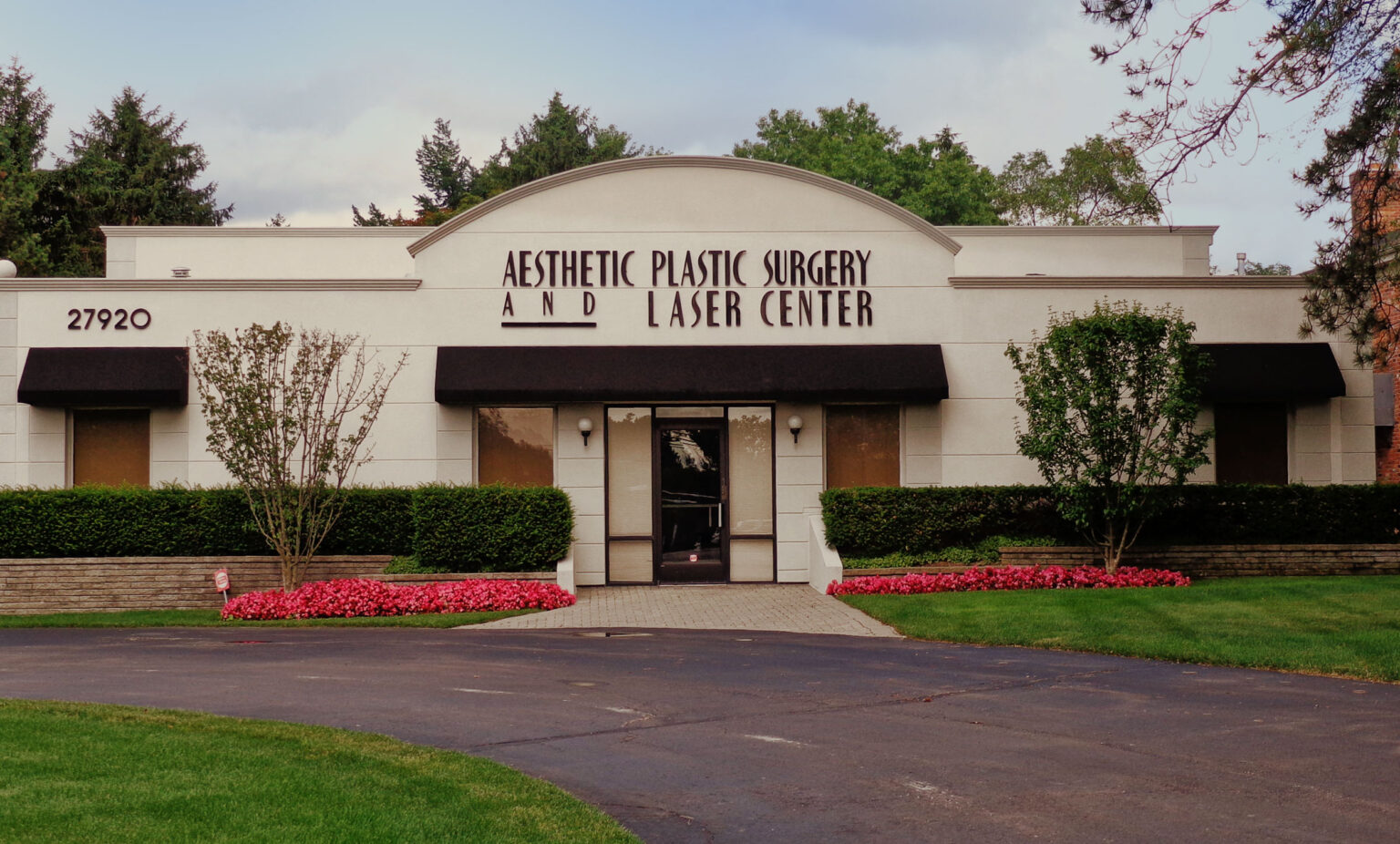
Aesthetic Plastic Surgery & Laser Center, Michelle Hardaway M.D.
27920 Orchard Lake Rd, Farmington Hills, MI 48334, United States
+1 248-221-1957
FAQ About Liposuction Michigan
Is 55 too old for liposuction?
Age 55 alone does not determine suitability. A surgeon evaluates overall health, skin quality, healing risks, and realistic goals. A personal consultation is needed to assess candidacy and discuss alternatives.
What happens 10 years after liposuction?
Contour improvements can last, especially with stable weight. Aging, pregnancy, and weight changes can alter the appearance over time. Results vary, and liposuction does not prevent future body changes.
Can lipo get rid of an apron belly?
Liposuction reduces localized fat but does not remove hanging excess skin. An apron belly may require assessment for a skin-removal procedure instead of, or alongside, fat removal. A qualified plastic surgeon can explain appropriate options and their risks.